Body Care
Post-Workout Recovery: 7 Habits to Reduce Soreness and Train More Sustainably
Seven recovery habits that help your body feel better after training.

Post-Workout Recovery: 7 Habits to Reduce Soreness and Train More Sustainably
Training is only one part of progress. Recovery is where your body adapts, repairs, and becomes stronger. If you ignore recovery, soreness can last longer, energy can drop, and motivation may fade quickly.
Good recovery does not have to be complicated. Small habits done consistently can help you feel better and keep training in a sustainable way.

1. Cool Down Properly
After a workout, take a few minutes to lower your heart rate. Gentle walking, breathing, and light mobility work help your body transition from effort to rest.
2. Rehydrate
Water supports circulation, temperature regulation, and muscle function. If you sweat a lot, consider adding electrolytes or minerals from food.
3. Eat Enough Protein and Carbohydrates
Protein helps repair muscle tissue, while carbohydrates replenish energy. A balanced post-workout meal supports recovery better than skipping food.
4. Prioritize Sleep
Sleep is one of the most powerful recovery tools. During deep sleep, the body repairs tissue, regulates hormones, and restores mental energy.
5. Use Light Movement
Gentle walking, stretching, yoga, or easy cycling can reduce stiffness and improve circulation. Recovery does not always mean doing nothing.
6. Listen to Soreness Signals
Some soreness is normal, especially after a new workout. Sharp pain, swelling, or discomfort that affects movement should not be ignored.
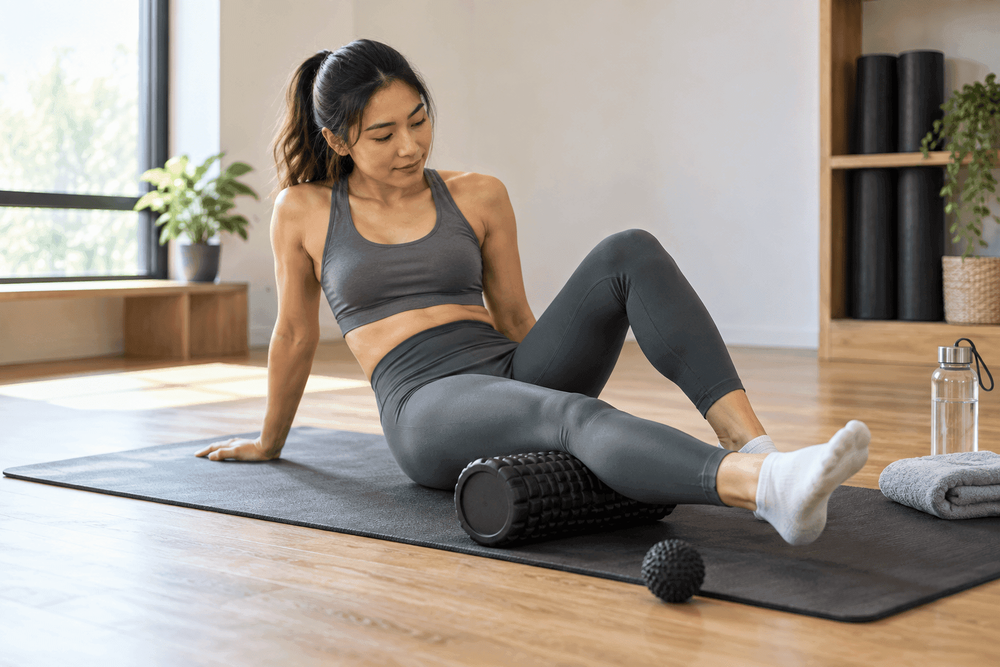
7. Build Rest Days Into Your Plan
Rest days help prevent burnout and overuse injuries. A good training plan includes both effort and recovery.
Conclusion
Recovery is not a sign of weakness. It is part of smart training. When you sleep well, hydrate, eat enough, move gently, and respect your limits, your body can adapt better and your fitness journey becomes more sustainable.