Nutrition
What Is Protein? How Should Active People Add Protein Correctly?
Understand protein and how to add it properly when training.

What Is Protein? How Should Active People Add Protein Correctly?
Protein is one of the essential nutrients your body needs to repair tissue, build muscle, support immunity, and maintain many daily functions. For people who train regularly, protein becomes especially important because exercise creates small amounts of muscle stress that need to be repaired.
However, more protein is not always better. The goal is to consume enough protein consistently, from foods that fit your lifestyle and digestion.
Why Protein Matters for Training
After strength training or intense exercise, muscle tissue needs amino acids to recover and adapt. Protein provides those building blocks. Without enough protein, you may feel slower to recover and find it harder to build or maintain muscle.
Protein also helps you feel fuller, which can support body composition goals when combined with balanced meals.
How Much Protein Do You Need?
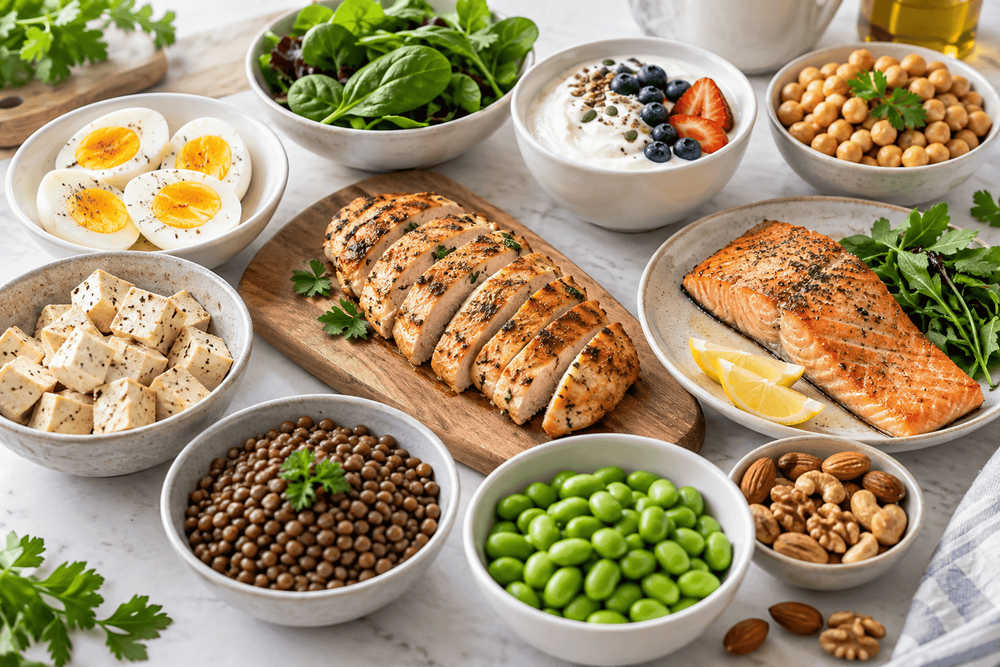
Needs vary depending on body weight, training intensity, age, and goals. Many active people benefit from including a protein source in each main meal. Good sources include eggs, chicken, fish, lean meat, tofu, tempeh, Greek yogurt, beans, and protein powder if convenient.
You do not need to rely on supplements. Protein powder is simply a convenient option when whole foods are not practical.

Common Mistakes
- Eating very little protein during the day and trying to make up for it at night.
- Using supplements while ignoring overall diet quality.
- Forgetting carbohydrates, vegetables, water, and sleep.
- Expecting protein alone to create results without consistent training.
Conclusion
Protein supports recovery and muscle development, but it works best as part of a balanced lifestyle. Eat enough, spread it throughout the day, train consistently, and let the body adapt over time.